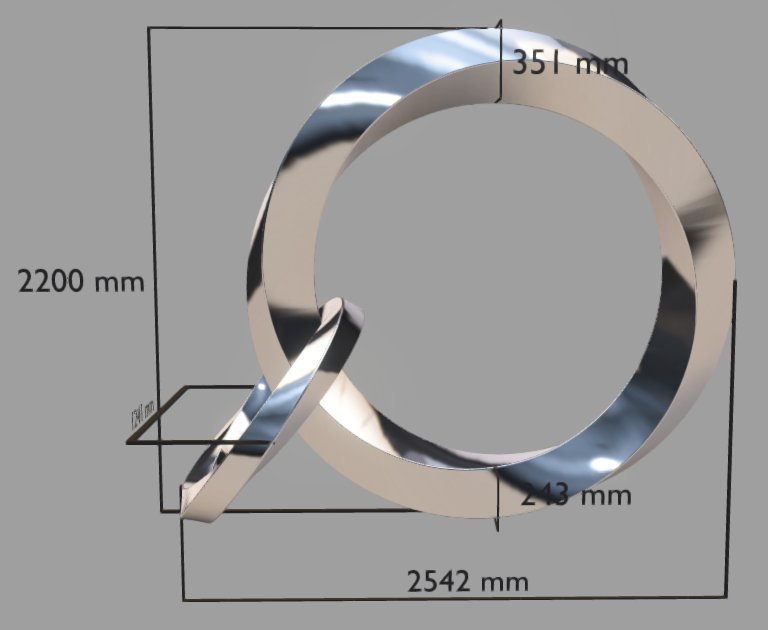
Developing engineering documentation for small architectural forms is a key stage in ensuring manufacturing precision, durability, and compliance with all regulatory requirements. For many clients, deciding where to commission this documentation is important. We recommend commissioning detailed design documentation directly from the product manufacturer rather than independent design engineers. Let's look at why this is the best option.
1. In-depth understanding of manufacturing technologies The manufacturer has comprehensive knowledge of the production process and the characteristics of the materials used. This allows every detail to be considered when preparing documentation, from selecting profiles and metal thickness to connection precision and corrosion-protection methods.
An external designer may not know all the details of a particular company's production process, which often leads to errors and revisions during manufacturing.
1. Saving time and resources When engineering documentation is developed externally, the manufacturer may need to review and adapt the drawings to its own standards and capabilities. This increases lead times and costs. By commissioning the detailed design from the manufacturer, you avoid these problems because the documentation is developed from the outset with the company's production capabilities in mind. 2. Compliance with standards and regulations A manufacturer of small architectural forms regularly deals with GOST, SNiP, and other regulatory requirements. This enables it to prepare engineering documentation that meets all necessary standards without requiring revision. 3. Design optimization Because the manufacturer has an interest in an economically viable solution, it can suggest design optimization: using more readily available materials, reducing the number of operations, or simplifying installation. An external designer without manufacturing experience may, by contrast, make the project more complicated. 4. Quality assurance By commissioning engineering documentation from the manufacturer, you receive assurance that the drawings, calculations, and specifications are checked within a single workflow. This reduces the risk of discrepancies and ensures uninterrupted production.
Clients often come to our company with completed engineering documentation prepared by external designers. These are the problems we encounter:
1. Production capabilities not considered Designers sometimes include materials or elements in drawings that cannot be manufactured using our equipment. For example, complex radius bends requiring a special machine we do not have. 2. Calculation errors Incorrect load calculations and unsuitable material selection can reduce structural strength. The design has to be completely reworked to avoid defects. 3. Excessive detailing Overly complex structures that cannot be assembled without additional operations. This makes production more expensive and increases lead times. 4. Missing specifications Some drawings arrive without a complete list of materials and fasteners, making them unsuitable for use.
If you want high-quality, reliable engineering documentation for small architectural forms, it is best to entrust its development directly to the product manufacturer. This will save time and money and protect you from many errors. The result will be a detailed design perfectly adapted to production, compliant with regulatory requirements, and ready to implement.
By contacting us, you can be confident that every detail will be thoroughly developed and the completed engineering documentation will ensure a high-quality product. We understand the importance of meeting deadlines and standards and are ready to offer you the best solution.